The Name of Every Full Moon and Their Meanings
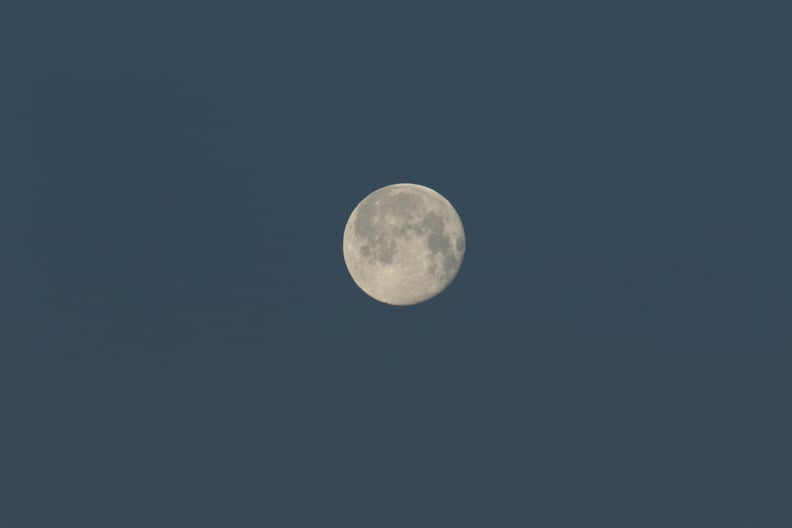
Wolf Moon
The first full moon of the year is the wolf moon. According to Native American history, it's called a wolf moon because it was believed this was the time of year wolves were most commonly heard howling.
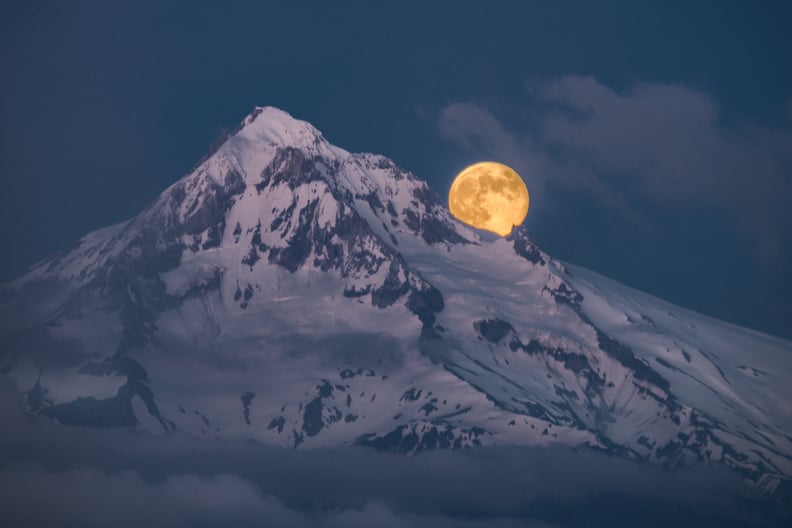
Snow Moon
The full moon in February is called a snow moon, because there's typically very heavy snowfall during this month.
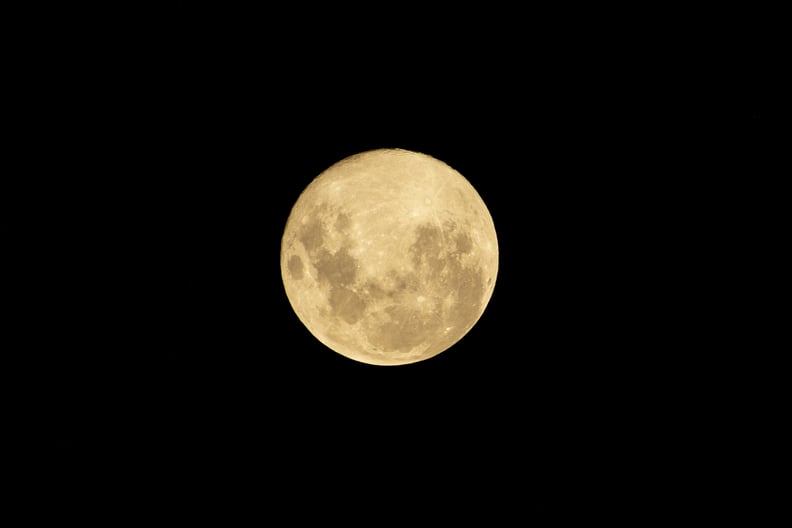
Worm Moon
March's full moon is the worm moon, and it's called the worm moon because this is the time of year when Spring starts to arrive, bringing the worms out of the ground.
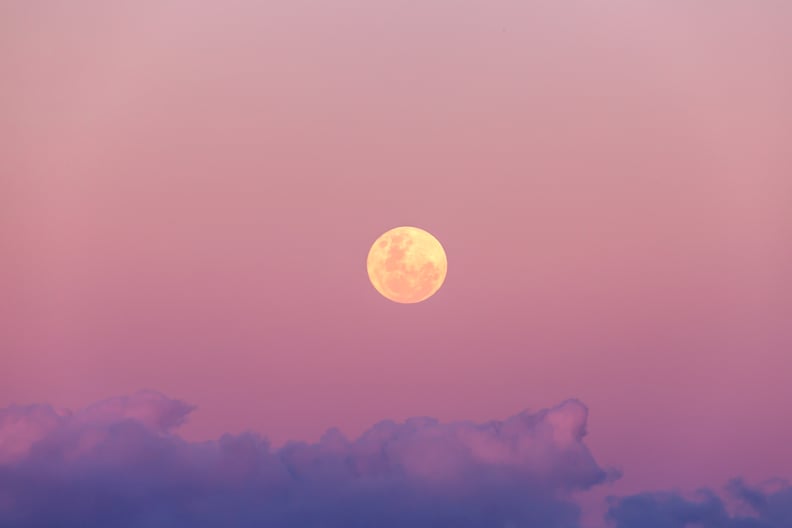
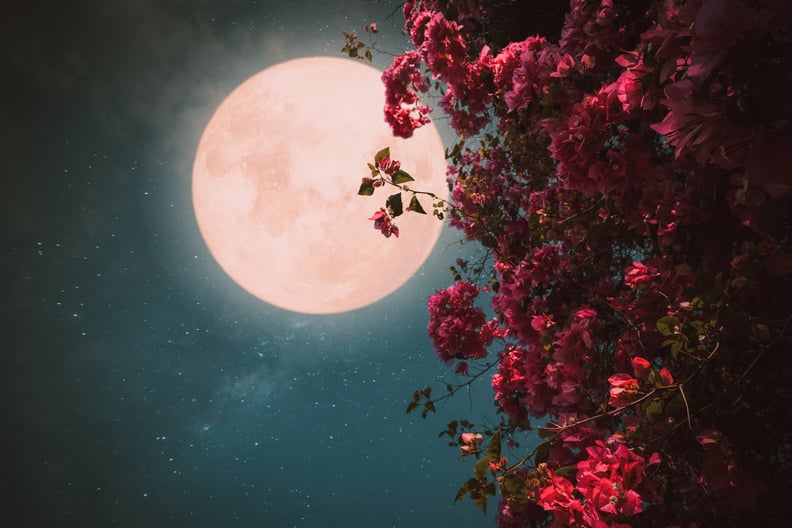
Flower Moon
In May, you can see the flower moon, which Native American history says got its name due to everything starting to bloom this month.
Strawberry Moon
The last full moon of Spring is the strawberry moon in June, which signals that ripe fruit is aplenty.
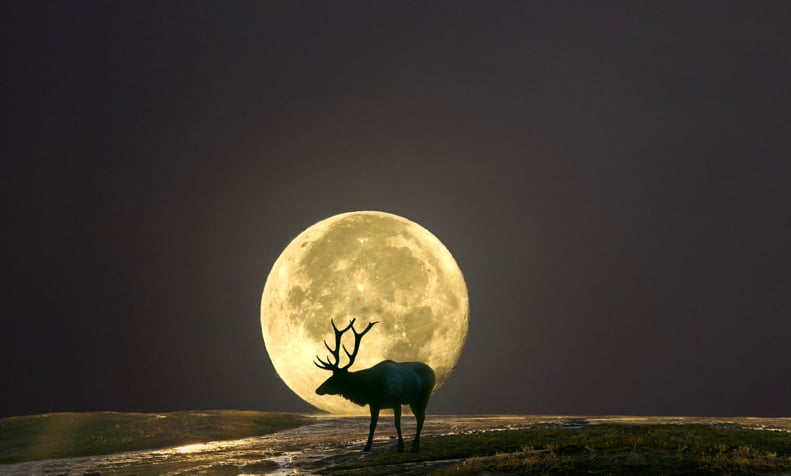
Buck Moon
The antlers of a buck were typically at their largest in July, according to Native American tales, so July's moon is the buck moon.
Sturgeon Moon
Native Americans called this moon the sturgeon moon, because it was during this time in August that they were able to catch many fish in the lakes.
Harvest Moon
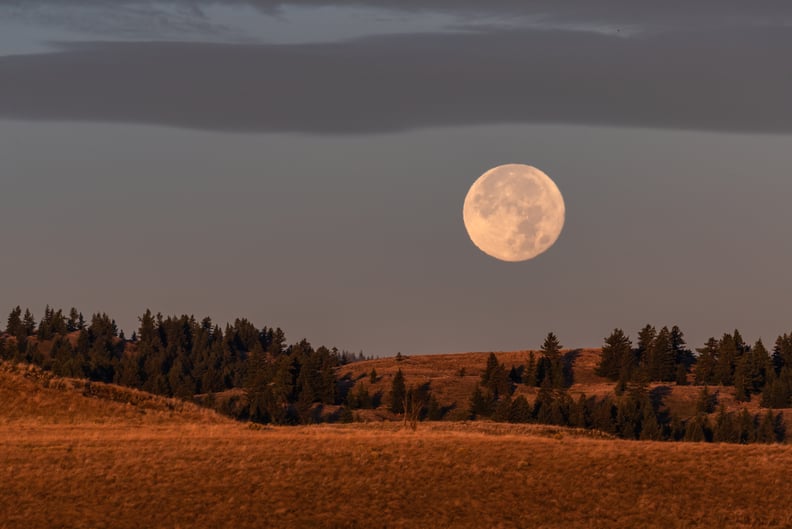
When September's full moon arrives, the harvest moon, it's time to — you guessed it — harvest the corn.
Blood Moon
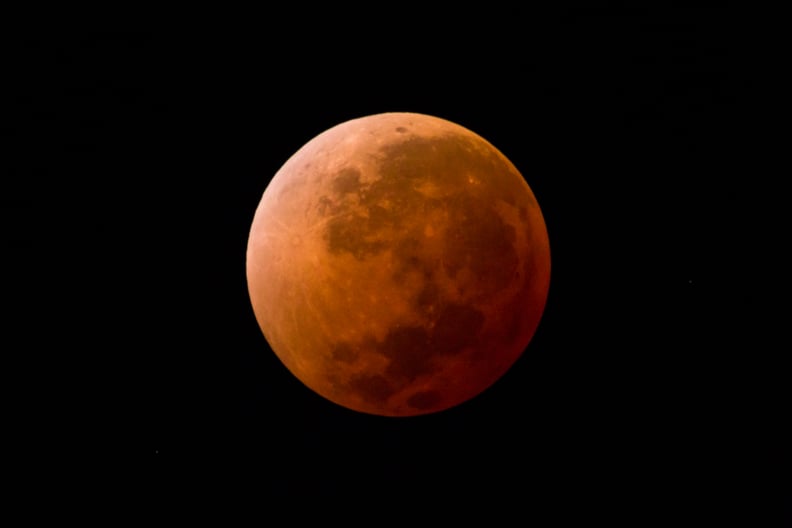
The first full moon of Fall in October is the blood moon. The blood moon is named after the lunar eclipse that usually occurs in October, which can make the moon emit a reddish glow that resembles blood.

Frost Moon
November's full moon has been called both the beaver moon (because it was the time of year when Native Americans trapped beavers for their pelts) and the frost moon, because it was the time that cold weather set in.
Micromoon
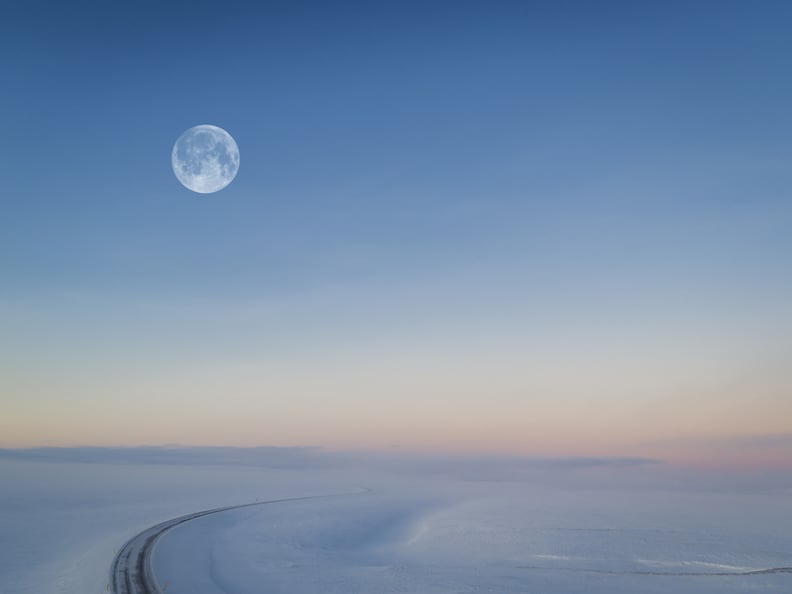
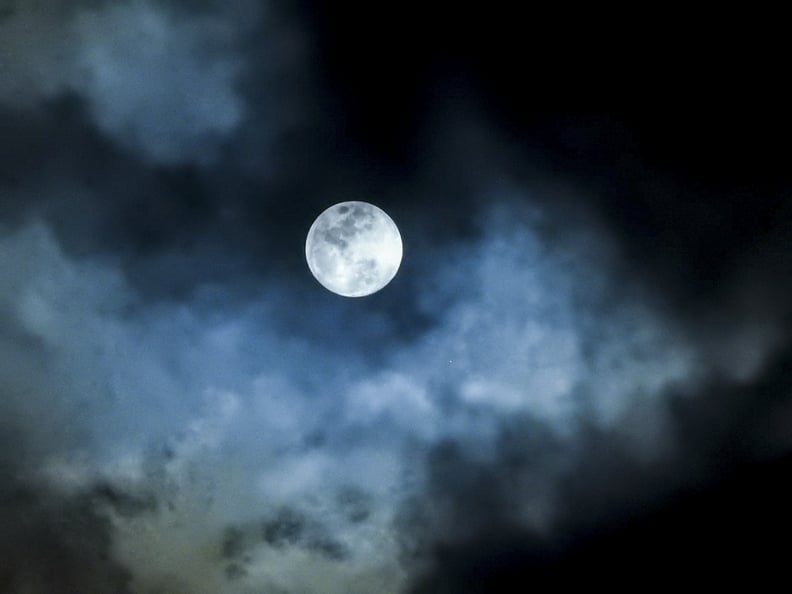
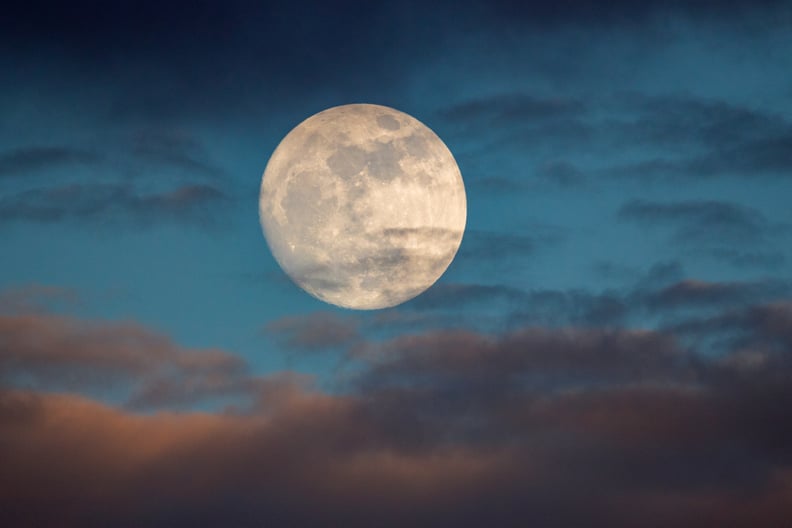
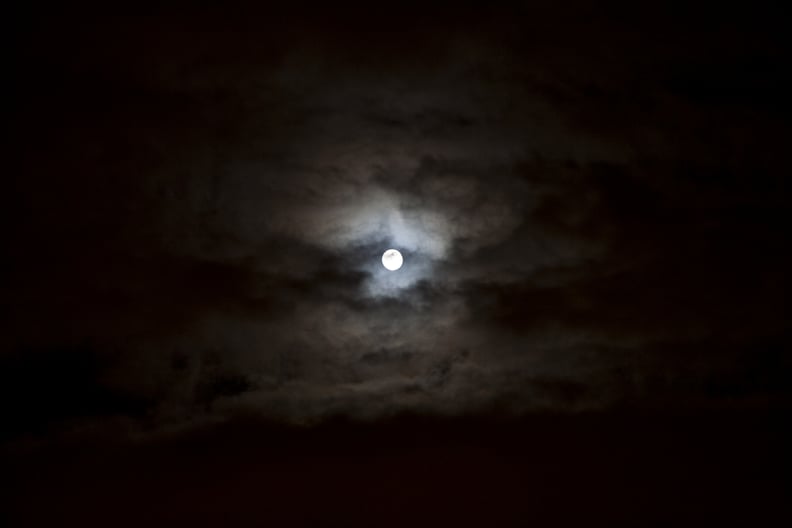
A micromoon is the exact opposite of a supermoon. It's what happens when the moon is the farthest distance from Earth.
Comments
Post a Comment